Paper folding is a critical finishing process in printing and packaging, widely used for brochures, leaflets, manuals, invoices, and marketing materials. Choosing the right paper folding machine can significantly improve efficiency, consistency, and overall production quality. This guide explains the basics of paper folding, key selection factors, and machine recommendations to help you find the best solution for your business.
The Fundamentals of Paper Folding
Before diving into machine selection, it’s critical to understand the basics of paper folding—including common fold types, paper specifications, and core mechanics.
Common Fold Types
Folding machines are designed to execute specific fold patterns, each suited to different applications:
- Bi-Fold (Letter Fold): The most common fold, where the paper is folded in half (e.g., standard letters, greeting cards).
- Tri-Fold (Brochure Fold): The paper is folded into three equal panels (e.g., marketing brochures, product flyers).
- Z-Fold (Accordion Fold): A zigzag fold that allows the document to open flat (e.g., long reports, menus).
- Accordion Fold: Multiple parallel folds that create a “fan” effect (e.g., event programs, instruction manuals).
- Gate Fold: Two side panels fold inward to meet at the center (e.g., invitations, high-end brochures).
Paper Specifications
The performance of a folding machine depends heavily on the paper it processes:
Size: Most machines handle standard sizes (A4, Letter, Legal) and may support custom sizes.
Thickness (GSM): Typical ranges are 80–300 GSM (grams per square meter). Lightweight paper (80–120 GSM) works for letters/brochures, while heavyweight (180–300 GSM) is used for cardstock or thick booklets.
Material: Coated (glossy/matte), uncoated, or textured paper—some machines are optimized for non-slip or heavy coatings.
Key Factors in Selecting Your Ideal Paper Folding Machine
Choosing the right machine requires balancing your specific needs against technical capabilities. Below are the critical factors to evaluate:
1. Folding Requirements
Fold Types: Identify the primary fold patterns you need. Opt for a machine with pre-programmed fold settings if you require multiple patterns.
Complexity: Do you need specialty folds? Basic machines handle simple folds, while industrial models support complex sequences.
2. Paper Capacity & Speed
Processing Speed: Measured in pages per minute (PPM). Small offices may need 100–500 PPM, while large printers require 1,000+ PPM.
Sheet Capacity: The number of sheets the feed tray can hold (100–500 sheets for desktop models, 1,000+ for industrial units).
Paper Thickness/Size Range: Ensure the machine supports your typical paper GSM and dimensions (e.g., thick cardstock or oversized documents).
3. Automation Level
Manual: Low-cost, handheld or tabletop models. Requires manual feeding and fold alignment.
Semi-Automatic: Automatic folding with manual sheet feeding (ideal for small-to-medium volumes, 100–500 sheets/day). Balances cost and efficiency.
Fully Automatic: Automated feeding, folding, and stacking (for high volumes, 500+ sheets/day). Reduces labor and minimizes errors.
4. Space & Portability
Desktop Models: Compact for small offices or home use. Lightweight (10–30 lbs) and easy to store.
Floor-Standing Models: Larger for high-volume operations. Heavy (100+ lbs) but durable for continuous use.
Recommended Paper Folding Machines For Every Business Need
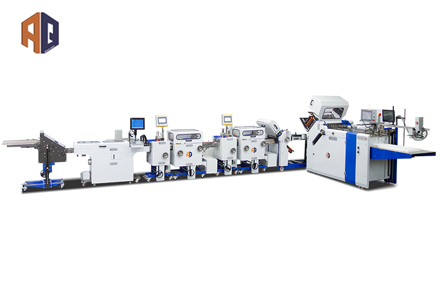
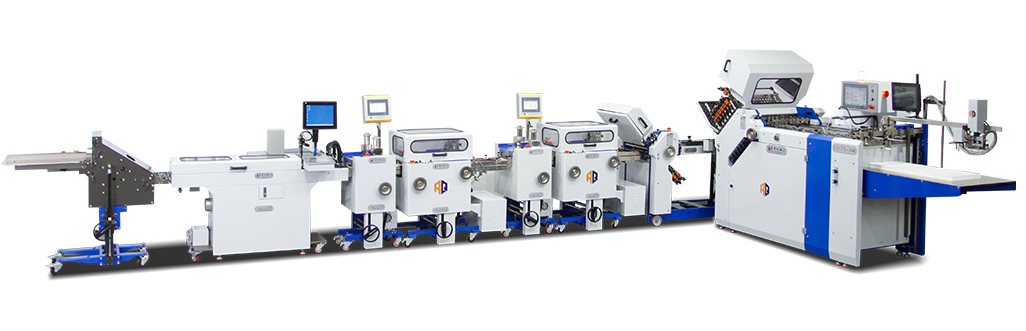
1. Pharmaceutical Insert folding machines
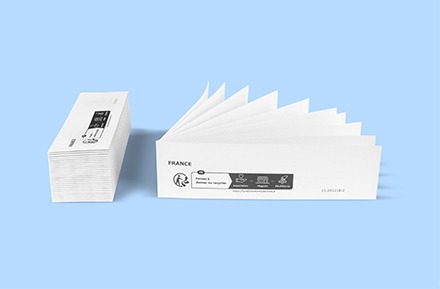
It is designed to handle light-weight pharmaceutical and miniature leaflet folding. In order to meet different customers’needs, we have 480TS and 600TS for the first station . Different width format with 4-20 plates. The second station is to handle the thick and small-size leaflets with 4/6/8 buckle plates , also can be matched with pressing unit, parrallel knife, lableing , HHS cold gluing , Hot melt gluing and vertical stacker.
Max. Infeed paper size: 480*1000mm/600*1000mm Mini. Infeed paper size: 100*130mm
Mini. folded product size: 30*30mm Max. folding speed: 220m/min
2. Combi paper Folding Machine
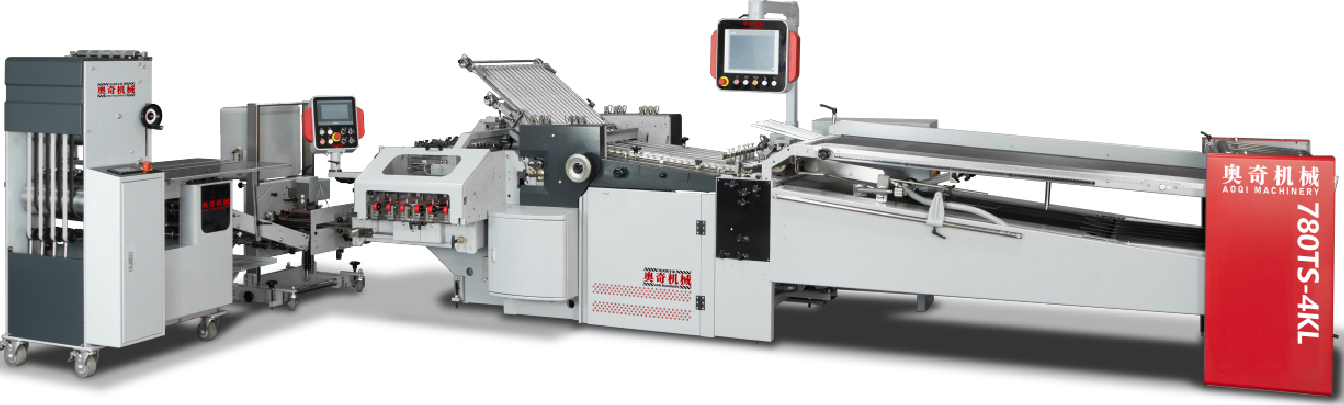
The 780TS is AOQI’s new combi folding machine.It is designed for full size to 16p or 32p paper sheet , signature ,flyers or others various books. There are pallelt feeder and continuous feeder for your choice. The first station is with 4 buckle plate for parallel fold or first fold . The knife is equipped with independent servo motor.
Max. Infeed paper size: 780*1200mm Mini. Infeed paper size: 150*180mm
Max. folding speed: 220m/min Power: 5.0KW
3. Automatic paper folding machine
AOQI 360T/480T paper folding machines are designed for various paper with small format. The max. infeed paper size is 360*1000mm/480*1000mm, the min, infeed paper size is 50*105mm. The max. speed is 200m/min. For your folding needs, it can be connected with AOQI independent knife for the final cross fold and the vertical stacker to collect the folded products orderly.
Mini. infeed paper size: 50*100mm Paper weight: 30-250g
Max. folding speed: 200m/min Mini. folded size: 20*50mm
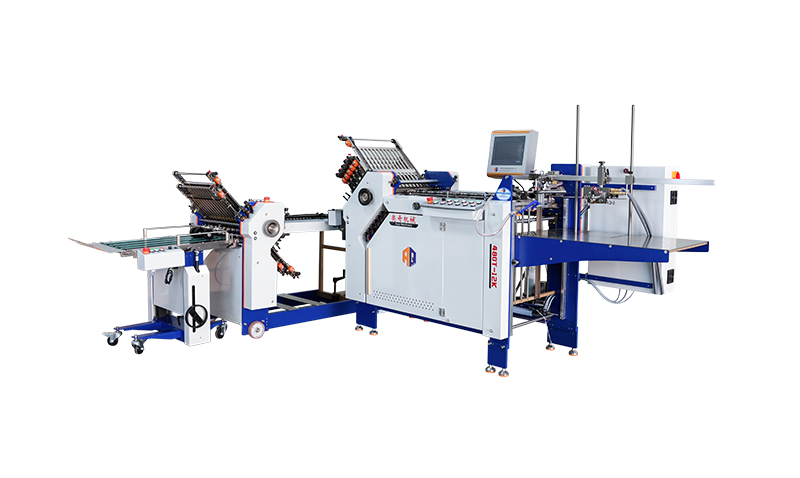
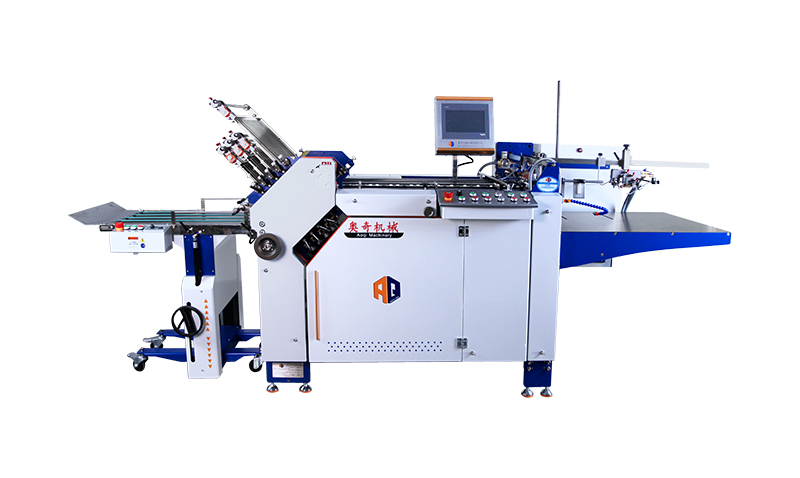
4. Commercial Paper Folding Machine
The 570T Series Commercial Paper Folding Machine are specifically designed for large-format paper folding, offering exceptional cost-effectiveness to meet diverse customer needs. Equipped with an advanced automatic lubrication system and coupling, it effectively protects the core gear components, reducing wear and tear. This ensures prolonged machine life and long-term stable, high-performance operation, making it the ideal choice for businesses looking to enhance productivity while minimizing maintenance costs.
Max. infeed paper size: 570*1000mm Mini. infeed paper size: 50*100mm Mini. folded size: 20*50mm
Troubleshooting Common Paper Folder Issues
Paper Jamming: Caused by incorrect paper alignment, worn rollers, or overloading.
Solution: Clear jam gently, ensure paper is stacked neatly and within specs, clean rollers, and reduce feed stack height.
Inaccurate Folds: Often due to incorrect paper stop setting, worn fold plates, or incorrect roller pressure.
Solution: Recalibrate the fold plate or stop position, adjust roller pressure for paper weight, and check for debris on plates.
Paper Scratching or Marking: Can result from dirty rollers, excessive roller pressure, or coated paper sticking.
Solution: Clean rollers with recommended solution, reduce pressure, and use anti-static powder for coated stocks if necessary.
Multi-Feeding: Occurs with static-prone paper, worn separation tires, or overfilling the tray.
Solution: Use an anti-static conditioner, replace worn feed tires, and ensure you are not exceeding the recommended input stack height.
Machine Not Feeding: Check power connections, ensure the paper tray is correctly inserted, and verify that the feed rollers are engaged and not severely worn.
Conclusion
Selecting the right paper folding machine depends on your application, workload, and desired level of automation. By understanding folding fundamentals and key machine features, you can invest in a solution that boosts efficiency, improves fold quality, and supports long-term business growth.
FAQ
Q1: Can a folding machine handle stapled or pre-creased paper?
A: Generally, no. Staples will damage the machine's rollers and plates. Pre-creased paper may not fold correctly as it will interact differently with the fold mechanism. Always feed flat, unstaped sheets.
Q2: How often does a folding machine require maintenance?
A: Basic maintenance like cleaning rollers and plates should be done weekly with regular use. Professional servicing depends on usage volume, but an annual check-up is recommended for most businesses to replace worn parts and ensure calibration.
Q3: Is it difficult to set up different fold patterns?
A: It varies by model. Modern electronic folders with digital controls and memory make changeovers in seconds. Basic mechanical models require manual adjustment of fold plates and guides, which takes more time and practice.
Q4: Can I fold odd-sized materials, like square cards or long maps?
A: This depends entirely on the machine's specified minimum and maximum sheet dimensions (width and length). Always check the machine's specs against your odd-sized items. Some high-end folders offer very wide ranges for specialty work.
Q5: What's the difference between a friction feed and an air feed system?
A: Friction feed uses rubber rollers to grab the top sheet, which is effective for most standard papers. Air feed uses a vacuum to separate and lift sheets, which is gentler and better for coated, delicate, or glossy stocks that might stick or mark.